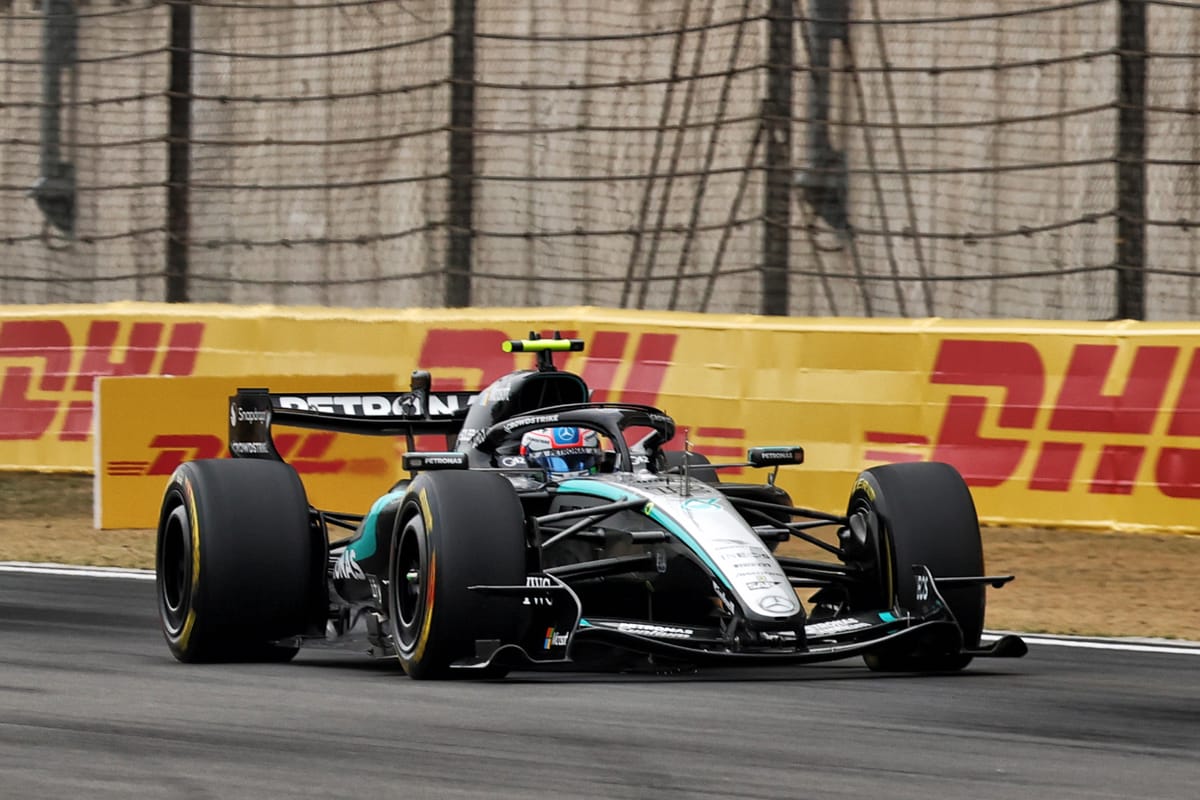
In recent Formula 1 races, Mercedes has experienced unusual behavior with their front wing, leading to speculation and concern among teams and fans alike. Understanding this phenomenon requires a detailed look into the aerodynamic principles and engineering choices that influence the front wing's performance.
The front wing plays a crucial role in generating downforce and managing airflow around the car. Any irregularities or unexpected behaviors can significantly impact the vehicle's handling and speed. Mercedes engineers have been investigating the root causes of these issues, which appear to be linked to the wing's interaction with airflow at high speeds.
One key factor identified is the flexibility of the front wing components. Under certain aerodynamic loads, the wing exhibits a degree of deflection that alters its intended aerodynamic profile. This deflection can cause unpredictable airflow patterns, leading to a loss of downforce or increased drag. Teams have observed that this behavior is more pronounced during specific track conditions or at particular speeds.
Additionally, the design of the wing elements themselves may contribute to this phenomenon. Subtle variations in the angle of attack or the curvature of the wing flaps can influence how air flows over the surface. Mercedes has been experimenting with different configurations to mitigate these effects, aiming to stabilize the airflow and improve overall performance.
Another aspect under scrutiny is the interaction between the front wing and the rest of the car's aerodynamics. The front wing's behavior can affect the airflow to the underbody and the rear wing, creating a complex aerodynamic environment. Engineers utilize computational fluid dynamics (CFD) simulations and wind tunnel testing to better understand these interactions and develop solutions.
Recent updates and modifications have focused on reinforcing the wing structure to reduce flexibility and ensure consistent aerodynamic behavior. These adjustments are part of Mercedes' ongoing efforts to optimize their car's performance and address the mysterious front wing behavior that has challenged their engineers.
In conclusion, the mysterious behavior of Mercedes' front wing stems from a combination of aerodynamic interactions, structural flexibility, and design nuances. Through meticulous analysis and engineering adjustments, Mercedes aims to stabilize the front wing's performance, ultimately enhancing their competitiveness on the track.